Uncategorized

Creativity and the Water Jug Car

I can’t tell you the number of times I have heard someone say, “I am not creative.”  I have never really thought about it, but rather just accepted what they were saying. Most people use the phrase in the context of decorating or crafts.  They somehow have gotten it into their brains that they “can’t” create.  And now, they speak it over and over as their accepted lot in life. I never hear any of my African friends say things like this about themselves.  Quite honestly, I have never heard them criticize themselves or anyone else for that matter.  Maybe I miss it since I am not a fluent in Swahili.  Or maybe they just don’t do it?

Guess what I have seen over and over in Africa: CREATIVITY!

  • I have watched women creatively carry multiple items balanced on their heads while carrying babies on their backs.
  • I have seen them use an old soda bottle to store their “fresh from the hive” honey. I have seen old burlap bags used for corn or rice become carrying pouches.
  • I have read of a young boy using discarded scrap metal to create a windmill to power things in his mud hut home.
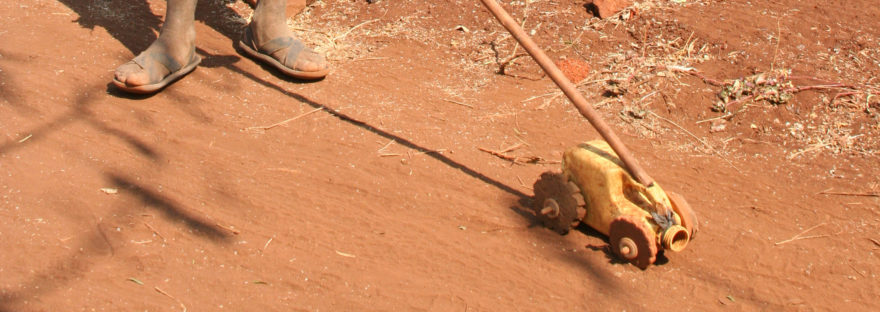
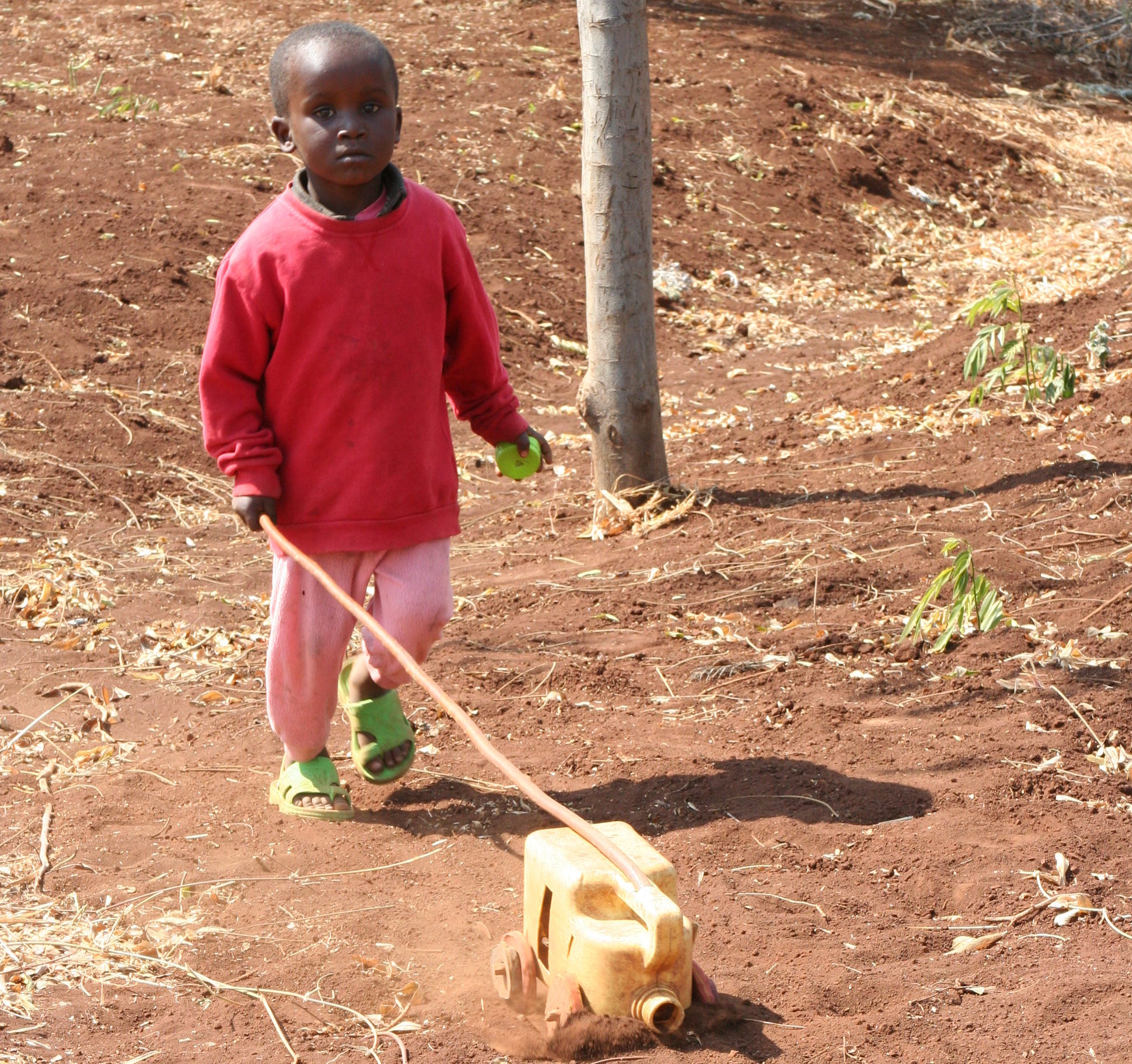
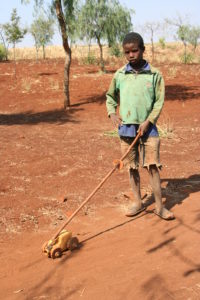
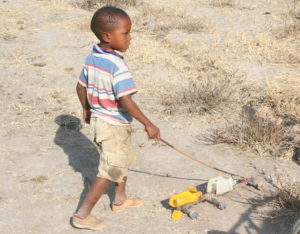
  • And, I have watched children create little cardboard toy cars and trucks made from old boxes and pulled by scrap string.  With lids from soda bottles as wheels and miniature front axels that turn, their handmade toys entertain.
 

When describing my African friends, “resourceful and creative” are always part of my description.  I have seen it and I know that  they aremade in His image.  Creativity is part of who He is.  Creativity is part of who they are.  And if WE could put aside the lies of the enemy, and go back to the beginning, to who WE were created to be, I am certain a “creative” mind is something that was there at the start.

Resourcefulness often stems from necessity, perhaps handed down from generation to generation.  Maybe even inspired by dreams.  But whatever the beginning, creativity seems to stay with them.  Pablo Picaso said, “Every child is an artist.  The problem is how to remain an artist once he grows up.” One could almost make that quote fit in this situation by changing a few words: “Everyone is born creative.  The problem is how to remain that way once he grows up.”

Genesis 1:27 “God created mankind in his own image.”

You were made like HIM!  As you go through today, keep that in mind.
Create!

Be creative at work.

Be creative at home.

Be creative with your friends.


And remember that it is in His likeness that you were created by HIM with the gift of CREATIVITY!


—Lisa Brodie
Uncategorized

Mountain of Laundry

Often as I was in the midst of raising 5 young children, the dirty clothes would become a looming impenetrable mountain in my laundry room. Seriously, if I let it get away from me, meaning: “didn’t wash clothes every single day,” there could be laundry a foot deep that I had to maneuver my way through just to get to the washing machine. So many tears…. My tears.  Crying to my husband about how terrible it was that laundry was consuming my entire life.  The struggle was real.  One day, he surprised me with the latest and greatest (and BIGGEST) washing machine and dryer ever made.  These newest appliances were going to save my life. Or at least my sanity.  Or my husband’s sanity.  I literally could dump an entire large basket in and wash.

It was amazing.

For a while.

Those latest and greatest (and bought pre-“DaveRamsey,” I might add) actually weren’t all that great when it came to being dependable.  The washer stopped working right after our warranty ran out.  If we had only been sane enough to read the reviews prior to purchase, we would have seen that every single owner hated those machines with a passion.

However, I learned some great lessons from that season so, I will look on the bright side and share them so that no one has to learn them the hard way like I did.

  • First, I should have been grateful for my five kids and their mountain of laundry because there are many women who are praying in earnest for children.
  • Second, we really didn’t need all of those clothes and some of those clothes weren’t dirty, just worn.  They should have been put back in the closets and drawers.
  • Third, don’t put anything on credit.  If you can’t pay cash for it, you don’t need it. #DaveRamseyRuinedMyLife #JustKidding #DaveRamseyRocks #FPU
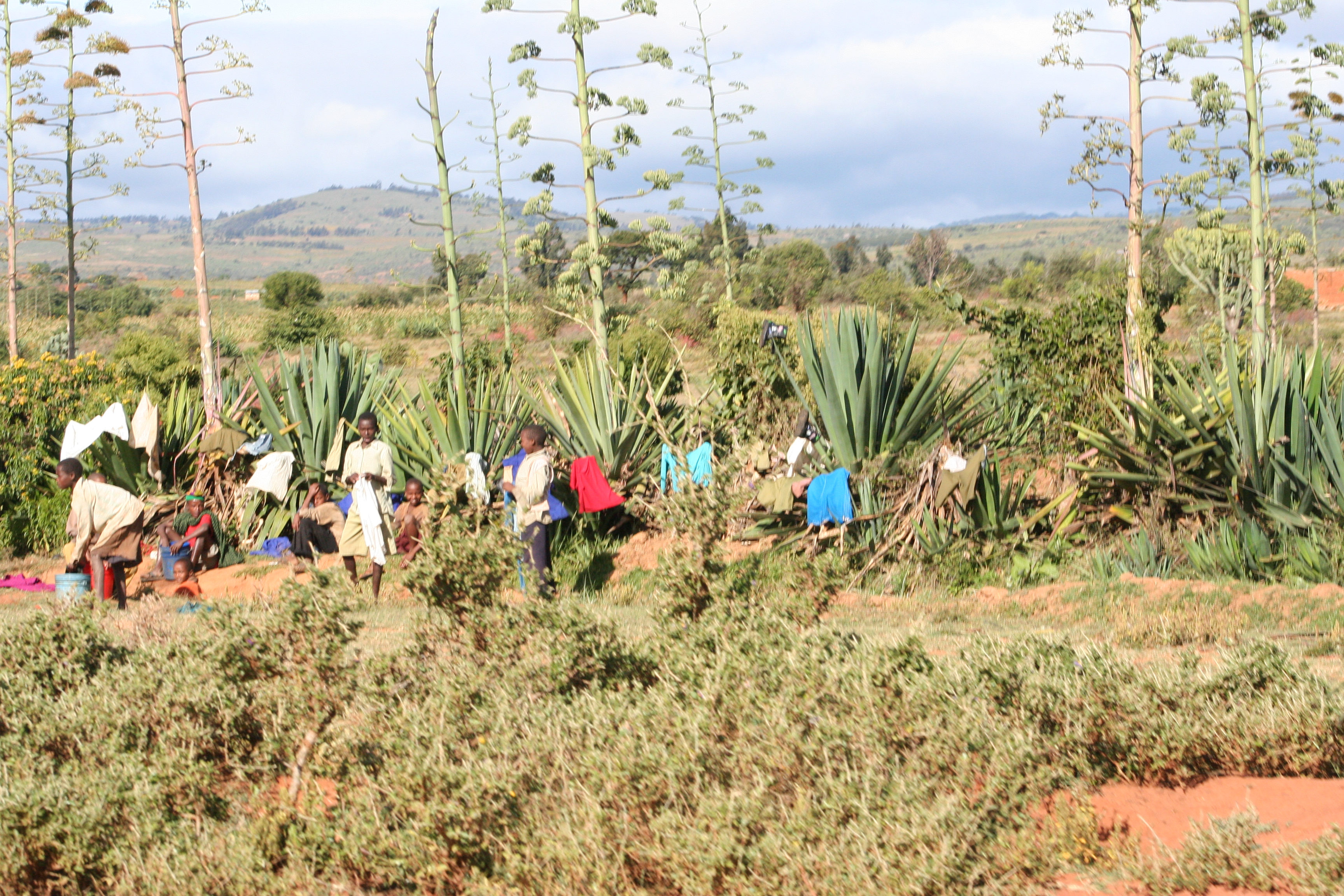
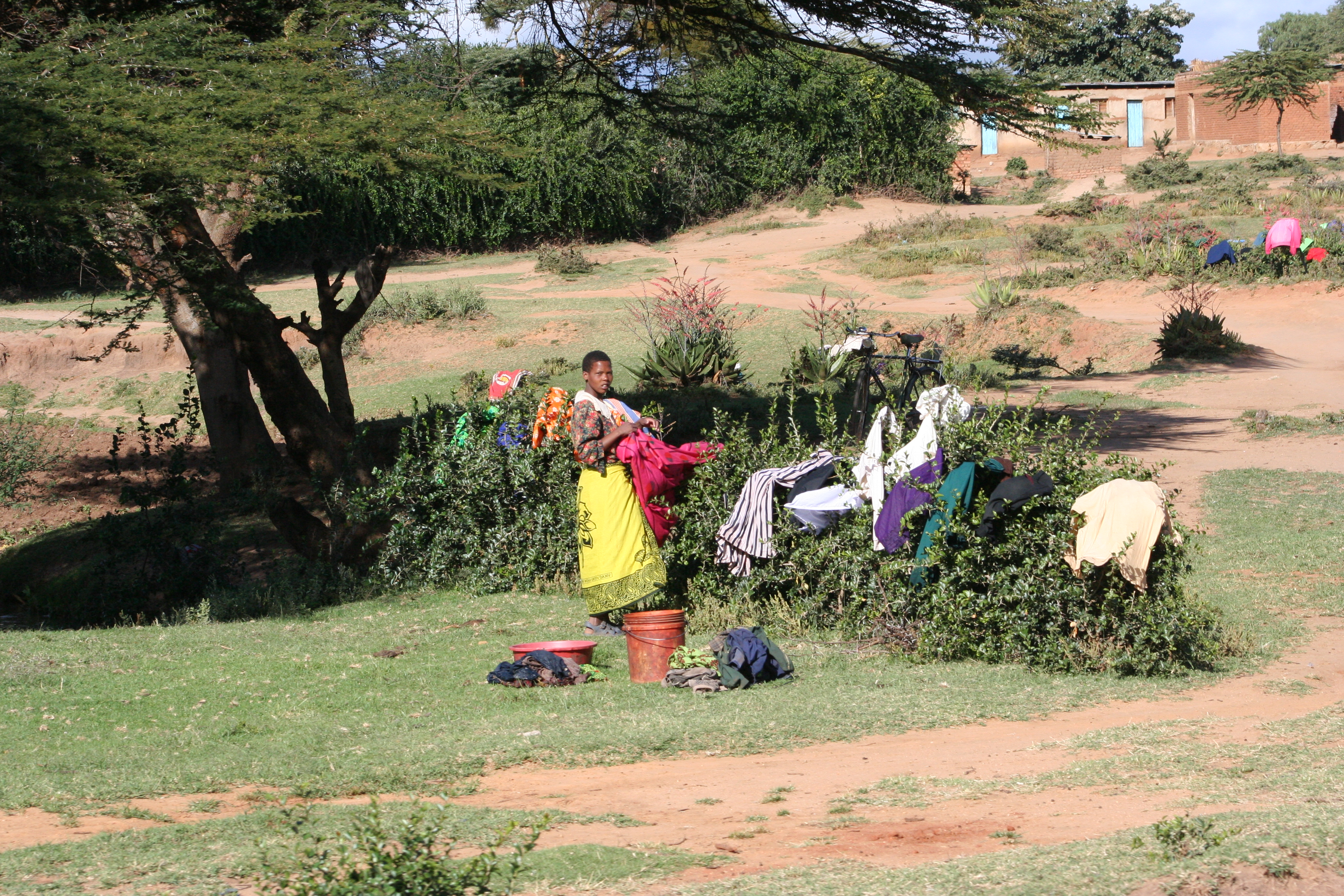
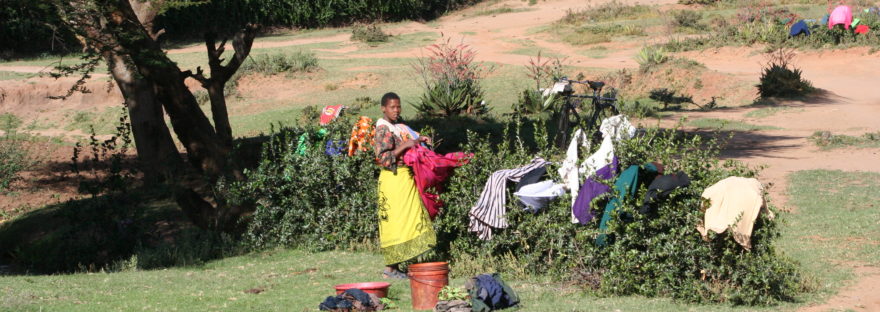
  • Finally, there are mamas around the world who walk hours and hours carrying their families’ clothing, to get to a place to do laundry in dirty contaminated water.  Most will fetch water in a bucket from a water source that is murky and shared with the local animals.  These mamas then scrub every piece by hand and lay it over a bush or in a tree to dry. After drying each piece in the African sun, they fold it all and carry it back home.

And I whined about my laundry.

I read a book a few years ago that changed my outlook on my life.  One Thousand Gifts, by Ann Voscamp challenged me to look at everything, especially the small things, as “gifts.” She encouraged readers to see the gift of the simple.  She challenged readers to embrace the season they are in.  Love the moment.  Find joy in the journey.  She taught me and millions like me, to be thankful.  As Paul writes in Philippians, “I have learned to be content in whatever the circumstances” (Phil 4:11) we also should have the desire for contentment. David calls us to “Enter His gates with thanksgiving in our hearts” (Psalm 100:4).  We can find similar words throughout the Bible.  But why?  As I learned from “One Thousand Gifts,” if our hearts are focused on our blessings, we will find that sadness, discontentment, depression, jealousy, etc will have no place in our lives.

While I believe that everyone would benefit from making a list of one thousand gifts, I know the idea could seem daunting.  So, today, I encourage you to simply find ten things God has blessed you with and focus on them.  Write them down.  Put the list somewhere you can see over and over.  Thank God for those things. In doing so, you will find “gifts” in the most unlikely places and joy in your journey.


–Lisa Brodie


Uncategorized

Sweeping Dirt

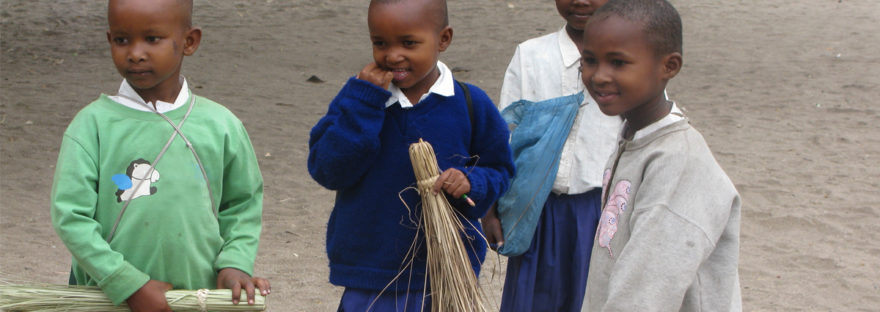
Many things my African friends do, I don’t understand; but I do not question.  The time of day they eat their meals, the fact that their weddings are 8+hours long, or that their funerals last a week or more are just a few examples.  I don’t question it.  I just go with it.  There is something I have noticed many places I have been in Africa: Africans sweep their dirt.  I really want to ask some questions about this practice.  It is not just any dirt but the dirt in front of their home or place of business or school.  The “sweepers” get up early each morning and sweep.  They make sure the leaves or trash are all cleared away before they start each day.


Some might view this as silly or as a waste of time.  After all, it is dirt.  However, I see the beauty in this sweeping.  They are taking care of what they have been given.  They are good stewards.

How often do we view something as not worthy of our care?  I am not proud of it, but I have left perfectly usable things sitting outside to eventually rot or rust just because it wasn’t brand new.  I have seen an alarming trend among people of all ages in our “developed” world: we waste without thought.  Often those who live in places where needs are the greatest are the most resourceful and the most careful with their property.

Several years ago, our family pastor threw away items from the preschool department at church just because he wanted new things. I was heartbroken when I saw the items sticking up out of the dumpster.  Bless him…. he redecorated yearly and consistently used items for the youth ministry only to throw them away after one use rather than take the time to store them.  

How did we (in the West) get to the place of such excess where we rationalize this behavior to be acceptable.  How much have we, as followers of Jesus, wasted that could have been used so much more wisely in advancing the Kingdom?  How many “secular” holiday events have we as the church celebrated and spent thousands of dollars on with the “claim” that it was done to “reach people” when our brothers and sisters in other countries are dying of thirst?


Luke 12:48 says “to whom much is given, much is required.” This is a wakeup call to me.  To us.  It is a reminder.  We have been blessed immeasurably, yet not to hoard it all for ourselves but rather to be a blessing to others.

How can we impress this on our children and stop this inexcusable neglect and waste of the blessings we have been given?


It starts with us.

–Lisa

Uncategorized

Respect

Respect for the elders

respect: verb; to admire someone or something deeply as a result of their abilities, qualities or achievements.

I have noticed a beautiful thing in Africa:  respect for the elders.  Subtle, yet obvious to those from the outside.

There is a quiet order to things.

The younger submits to the older.

Respect comes with age.


And yet with that respect comes responsibility.

The elders are expected to be wise peacemakers and problem solvers within their community.

I witnessed the depth of the respect for the first time, within the Maasai tribe.  When the children approached someone older, respectfully, the children bowed their heads toward them.  The elder would then place their hand on the head of the child. It was explained that this is an act of honor.  Toddlers who could not yet speak would wobble over and silently bow their head toward those who are older. This custom continues as the children grow when the phrase “Shikamo” (shee-kah-mo) is spoken by the younger person, meaning, “I respect you.  I honor you.  I acknowledge your rank.”  And likewise the older returns with the phrase, “Marahaba” (mah-rah-ha-ba) meaning “I accept your greeting of honor and welcome you.”  It is culture.  It is what is done.

In my travels, I use this respectful greeting phrase often.  I love their quiet order of things and have seen the joy and surprise in their faces when a Mzungu (white person) attempts to speak their language and to give honor to those who are older.  It is a wonderful experience to see communities respectfully raise their children together.  Watching over all children as if each child belongs to them personally.  Teaching, training, correcting when needed.  I have seen grandparents snap their fingers and little ones (sometimes related, sometimes not) immediately behave with no questions asked.

The term “old” carries the meaning of respected leader, wise one, honored one, etc.  It is acceptable and common to call an older man “Mzee” (Mm-zay) which literally translated means “Old Man” and just as common to speak to an older woman calling her “Bibi” (Bee-bee) or “Coco” (Ko-ko) which both mean “grandmother.”  There is no offense.  It is not an insult, but a sweet acknowledgement of who they are.

Respect carries past the greetings and is seen in actions.  If an older person enters an area where people are already seated, the younger ones get up quickly and offer their seats.  The older are always served meals first and when an elder speaks, everyone is silent and listens intently.  I once saw an entire village erupt in cheers of joy when an older man in their community was given a sleeping bag and thin cushioned mat to sleep on. Full understanding of that small gift to him did not come until their reaction to the gift was witnessed.   The gift meant the grandfather would no longer be sleeping on a thin woven grass mat laid out on the hard dirt floor of his simple mud hut.

We can learn a lot from our friends in Africa.  It would be wise to take note of this attribute of showing respect.  Our children could benefit greatly if we could teach them to do this well.  Proverbs 16:31 says, “Gray hair is a crown of splendor.”  Let’s make it our goal to truly believe that and to pass that gift on.

—Lisa


Africa Stories, Uncategorized

SMILES and the language barrier

A wise man once told me, “a smile crosses over all language barriers.”

That wise man was Mr. Bill Haring.  He served many years as a missionary in Mexico.  He and his amazing wife and five children had “given up a lot” to GO, but if you ask him, he would tell you that it was his honor to serve the Lord in that way.  I remember sitting at his feet (literally, I sat on the floor beside him) asking him to impart wisdom to me as I would be going on my first mission trip out of the country since becoming a mom.  He shared stories of miracles and stories of the power of the Holy Spirit and has continued to share many tidbits of knowledge throughout the years.  I have taken his wisdom and used it to prepare every single mission team since that meeting.

Many things happen when a smile is exchanged. That moment of hesitation as the locals try to figure out what a new person is doing in their neck of the woods. Maybe a little confusion.

But then, it happens.  One smiles first.  Perhaps a little wave.  And just like that, the barrier is gone.  He was right about the smiles.  It is a simple gesture that means so much. It says, “I see you.” You are important.  You are noticed.

  • Smile.
  • Wave.
  • Pat someone on the shoulder.
  • Hug.

I am thankful that the smile is universal. It is sweet, simple encouragement.

1 Thessalonians 5:11 “Therefore, encourage one another and build each other up.”

–Lisa Brodie